Following a change in the Hub House purpose and model, this page is currently a mess and being rewritten with a full investment proposition. The goal is now to focus on acquiring small cheap 'satellite' properties to be renovated with a coliving-specific fitout, maxmimising yield and utility. Use by shareholders will be permitted but without guarantee and discounted to match yield (~25%). For more details please touch base with jacob@hub.house or Whatsapp.
Purchase, works and operations of property as destinational coliving spaces. A short to mid term hospitality-oriented model at prime rental rates, serving remote workers by offering in-house coworking facilities, alongside adventure and exploration in the surrounding area.
Hub House satellite properties
- cheaper acquistion
- better fitout
- over €90k gross revenue
- under €250k property capex
- over 22% net yield
- rates 20% below market
- 1–8 week stays
- coworking for remote work
- 12–18 capacity
- around 350m² floor space
- over 40% common spaces
- facilitation for great experiences
- towns for vivacity
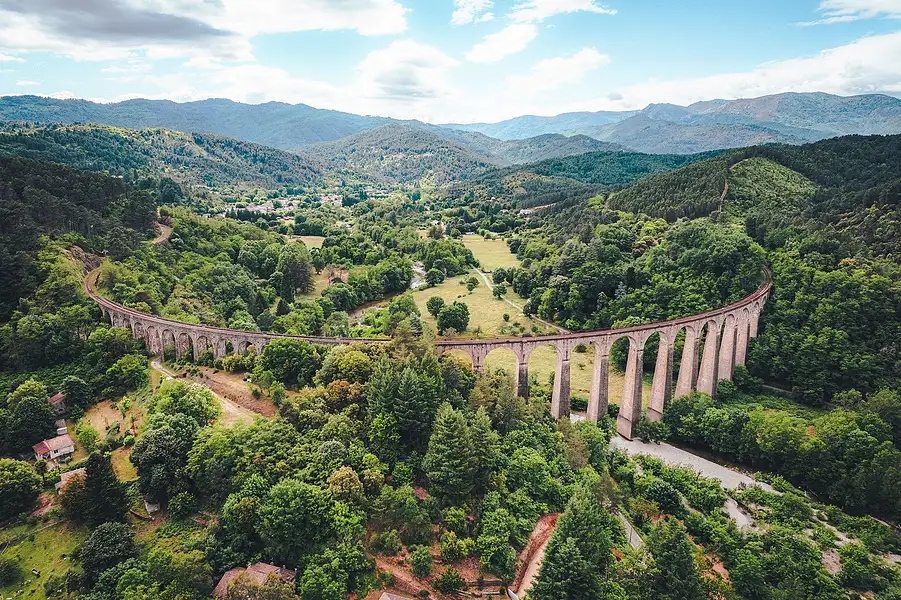
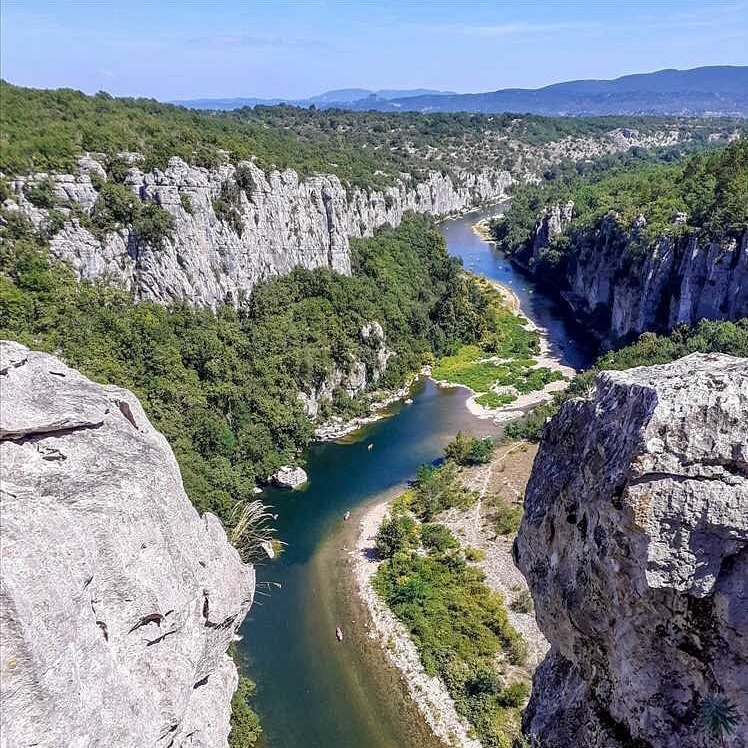
- nature for adventure
The market
The segment offer is that of the slow-travel workation — a longer getaway for professionals whom can travel whilst also working, taking advantage of off hours for adventure, and specifically those guests seeking to be amongst others for connection and shared experiences.
The audence
- digital nomads — a niche but growing audience whom intrinsically work away; reliable reoccuring demand, and easy to target, though lower tolerence for high prices ()
- no well established size, but estimates over 40m global
- informal estimates up to 80m if including workations
- over 20% of nomads work with employer recognition and support
- adventurous professionals capable of remote work — seeking an escape from the city and some invogoration; harder to target yet larger audience with better spending power
- no known size but coworking members closely align as a segment with over 1.5m members in 6800 spaces across Europe
- workations have 11.7% compound growth
- roughly 1 in 3 knowledge workers now plans at least one workation trip per year (multiple studies)
- 72% of remote-capable employees in the EU expressed the intent to take a workation (Eurofound/SD Worx)
- 60% of EU "knowledge work" is now hybrid-eligible (McKinsey)
- platforms such as Airbnb report stays of 28+ days now account for a very significant revenue
- team retreats and retreat organisers, however these introduce issues due to exclusive use, but can be offered out of season
The problem
Changing lifestyles that amongst the audence allow location flexibility…
- seeking participation with others instead of isolation
- flexible stays for an atypical duration
- hotels are expensive, bland and lack common facilities
- AirBnBs have hugely variable facilities
- good workspace is rarely included or involves finding a separate coworking
The solution
Boutique destinational coliving supporting changing lifestyles by offering:
- multiple ergonomic workspaces in the building (casual and quiet/focus)
- good shared facilities (kitchen, laundry, lounge)
- a community amongst like-minded professionals
- organised activities
- a single price / booking for flexible stays
Comparatively
Sits neatly between hotels and lettings:
- significantly lower operations than hotels, higher than rentals
- rates over double rental, half hotels
- moderate churn / turnover (average stay of 1 month)
- 85% occupancy (with strong brand; ex. low season)
- higher investment than rental, lower than hotels
Property acquistions
- small old hotels have low acquisition costs due to no market demand (replaced by AirBnBs)
- slow delivery, due to requiring renovation and fitout works (e.g. new partitions, plumbing, eletrics, finishing, …) however resulting in maximised space use (without destroying existing improvements as in more expensive properties)
- only subsequently suitable for similar uses (hostel/hotel), therefore limited leverageable capital appreciation
The first location — the south of France
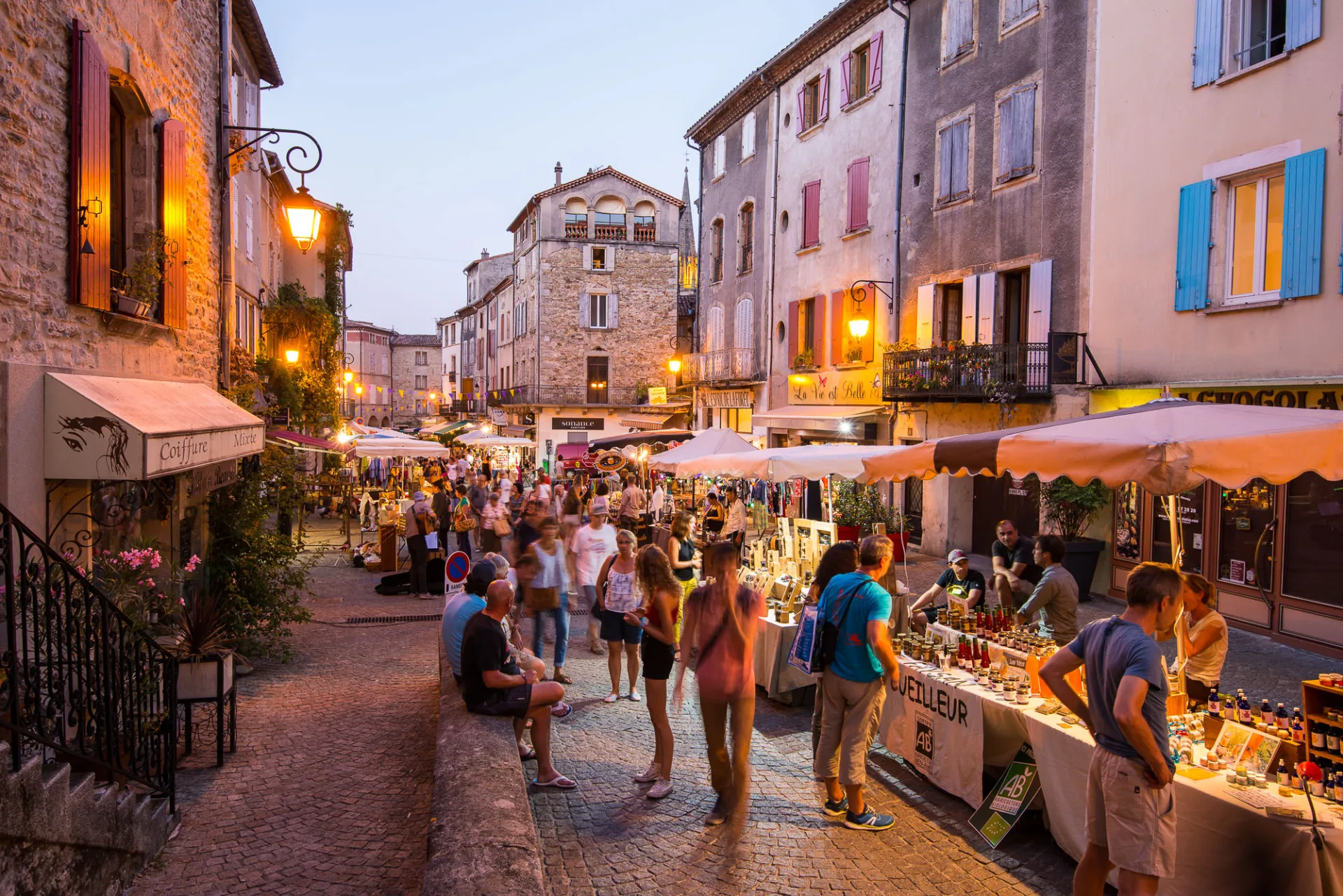
- prime tourist destination yet underappreciated amongst digital nomads
- under represented in the category — only 5 spaces (see map)
- well positioned with good access from key European metro markets (Paris, London, Switzerland, Brussels, Amsterdam, …)
- varied envionment and activities, great food
- founder is based and has experience here
Fitout and facilities
- around 50% ensuite rooms, 20% basic rooms, 30% capsules
- smaller private rooms in favour of larger common spaces
- affordably functional and cosy with unique features
- easily maintained and replaced
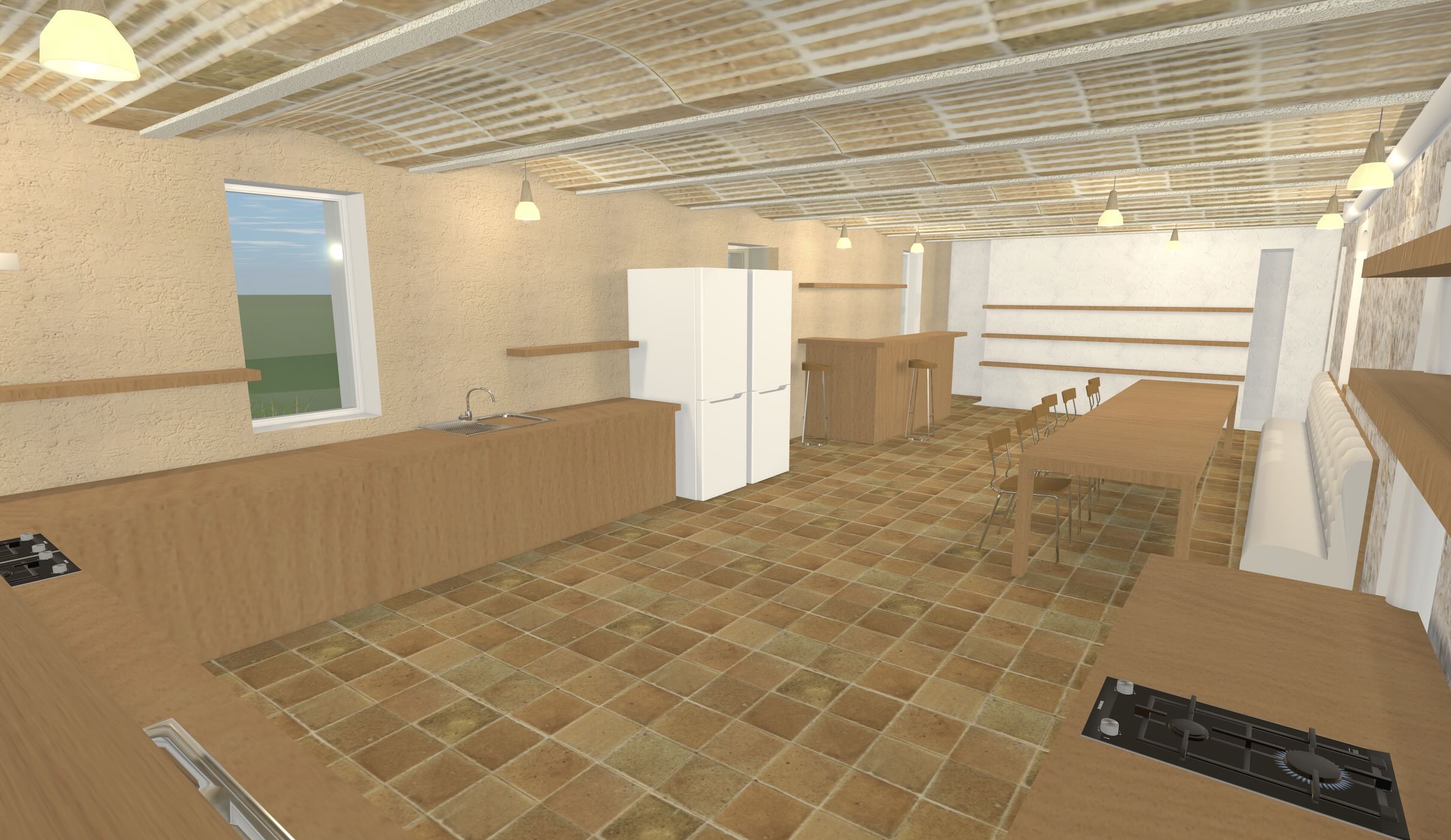
- multi-station kitchen with multiple fridges and generous storage
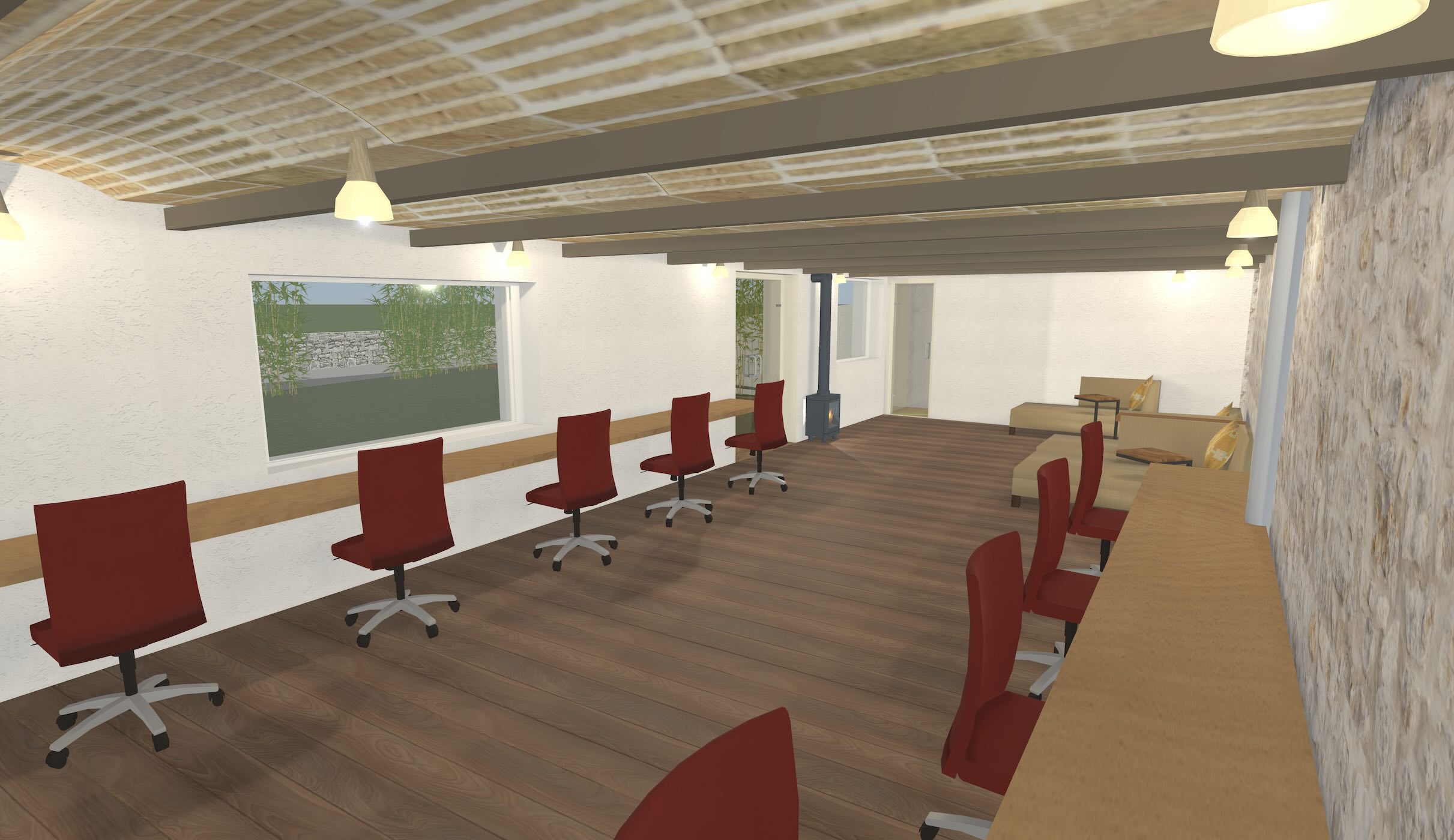
- casual coworking plus focus coworking / library (further efficiency by not equipping rooms with desks)
- call booths
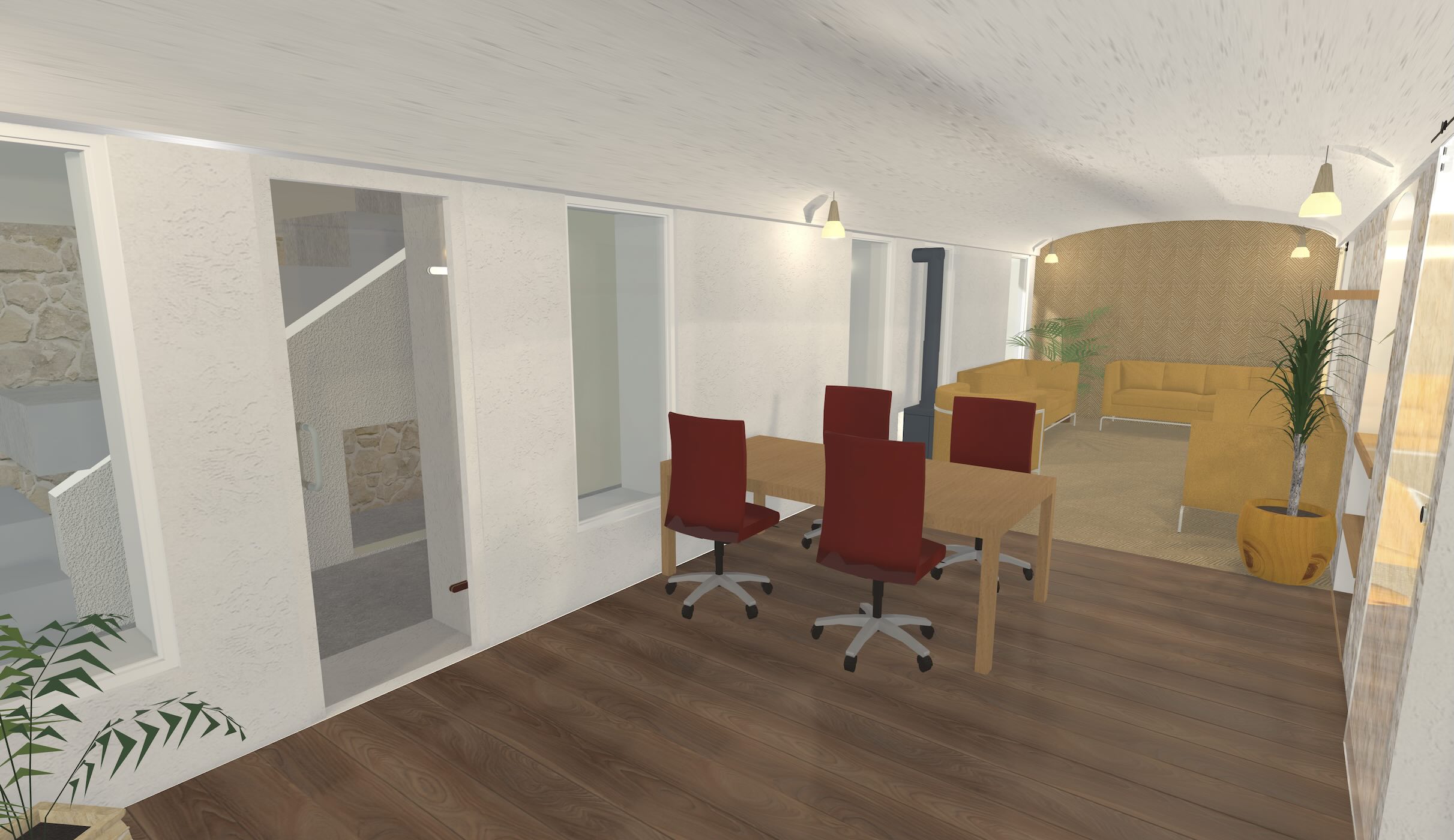
- multi-purpose lounge
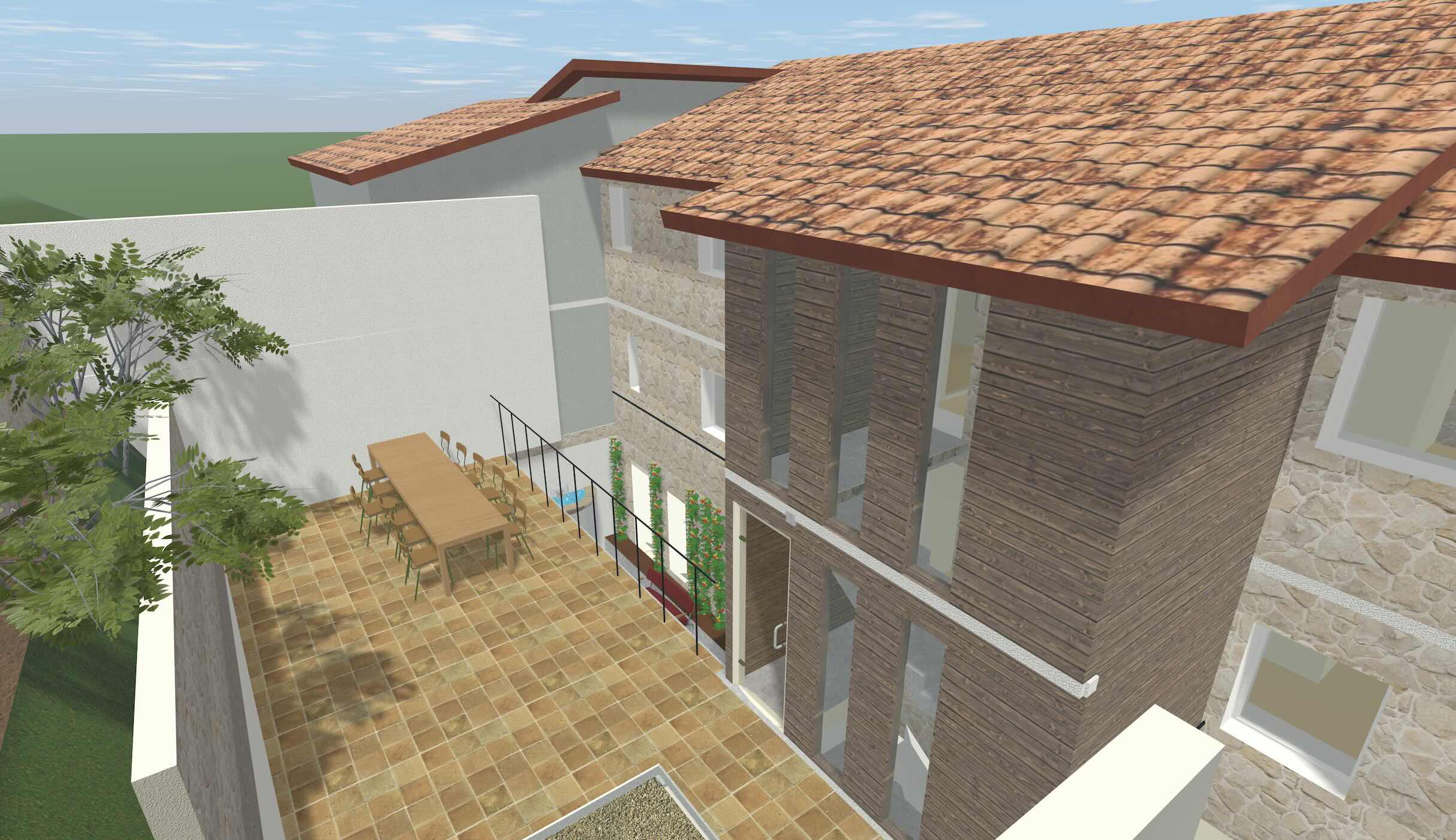
- outdoor space with BBQ
Accommodation classes cover the breadth of the market ensuring demand reslience, however this varies significantly based upon property layout.
Funding
- €75k comitted from founder
- plus time from founder and renovation lead as equity
- Requirements: €150k
Spend
- property acquition and taxes
- renovation materials
- fitout equipment
- stipends for renovation 'volunteers'
- minibus (2nd hand)
- operational runway (nominal)
- marketing (nominal)
Note: these properties have no notable appreciation — once fitout the property only has resale value to another or similar operator (e.g. hostel), however due to renovation the valuation might be leveraged to aid expansion.
Model
- integrated property ownership and operations, addressing market demand through direct investment in optimal facilities — few operators plan and invest adequately (including those launching as coliving), thus a significant differentiator
- community facilitation and housekeeping through founder-trained volunteer staff employing sector best practices
- wide accommodation offer spanning lower to mid-upper (potentially also higher)
- 1-week stays permitted addressing city escapes for busy professionals (usual minimum 2 weeks)
- longer stay discounts (better community and reduced onboarding)
- potential additional revenue stream with team retreats (during off season)
- pandemic survivable due to small number of people and longer stays
Little revenue differentiation between high and shoulder seasons, due to a higher level of staff requirements, whilst shoulder and off season residents contribute more to upkeep themselves.
Differentiation
- purpose designed spaces and fitout
- below market rates (initially)
- ergonomic coworking
- high proportion of ensuites
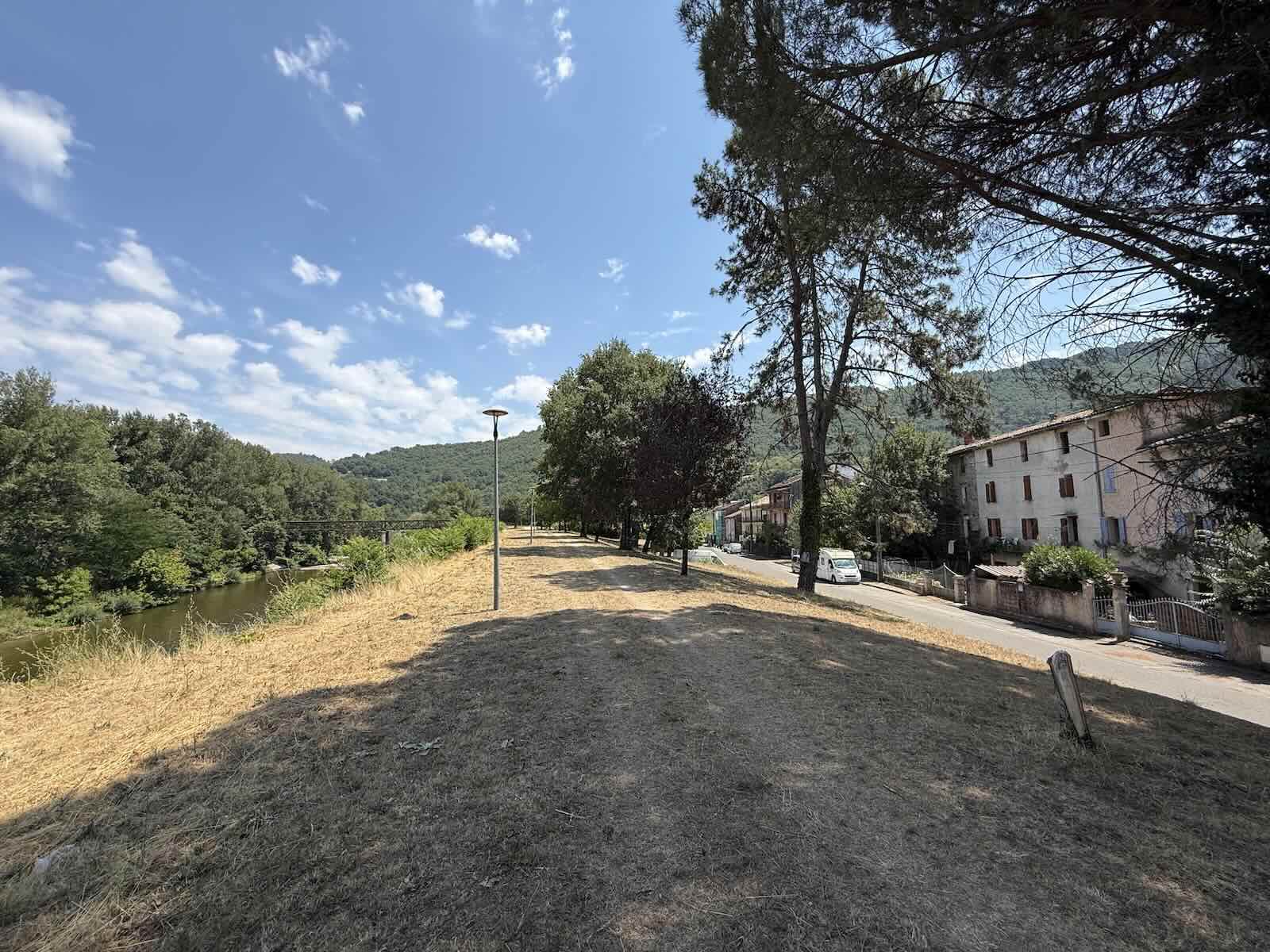
- nature, shops, transit at door
- community focus (training)
Will primarily be the purpose designed common spaces. Very few colivings actually provide fit-for-purpose facilities, e.g. one well known space having 24 residents has a tiny kitchen with a single 4-ring hob, though does have good coworking, yet call booths are not sound proofed. Additionally many do not offer ensuites which are strongly preferred.
In addition it is uncommon to have multiple spaces for a given use, e.g. when residents have a fun social gathering but the coworking is adjacent, work must stop.
Other spaces highly variable community experience across the year as they do not train their volunteers, with a small investment in this, it will be better maintained and more consistent.
Please refer to individual property reports for specific location details and differentiation.
Revenue
- VAT exempt
- 2-month closure per-year (subject to location)
- 2 units reserved for staff (subject to capacity)
- 40% occupancy in low season
Marketing
- direct interaction — on forums and in online groups, undertaken by volunteer-staff posting unique content (this is the most common method used by coliving spaces, however few produce content and only post offers/availability)
- platform leverage — promotion through the founder's own coliving directory site
- residency programmes — offering free stays to those having a strong network
- coworking space managers
- capable of enhancing the community with content (talks, workshops, etc)
- indirect networks
- guest satisfaction, frequently make recommendations as there are few great colivings
- facilitator training, will often spend time at other spaces
- advertising — reddit / facebook targetting for digital nomads and coworking space users
- sponsorships — may sponsor digital nomad events
Once a strong brand is established active promotion is not required as demand is quickly self-fulfilling.
Operations
- low-cost staffing backed by founder training
- residents significantly look after themselves
- dedicated community facilitator (with accommodation)
Competition
Note: this is not a leveragable real-estate proposition for small–mid size atypical properties that are cheap to acquire, convert and operate as high-yield destinational colivings serving remote-workers (and digital nomads). Growing to multiple locations with below market rates and well facilitated community experiences building a loyal membership returning amongst the locations.
The format is essentially that of a hostel with long stays no churn from nightly guests, equipped with dedicated separate live work spaces, usually comprising an open plan kitchen-dining-lounge, a casual workspace, and a library lounge focus workspace. Accommodations being balanced between ensuites private rooms (ideally at least 1 premium), and capsules/pods, thus enabling diversity amongst members, and addressing market breadth. With rates significantly discounted to encourage monthly stays, operations are low overhead. The sole notable operational matter is facilitator/staff/volunteer training, which the founder can undertake on a rotational basis. This approach results in a fit-for-purpose building ideally specified for remote-worker use in interesting locations that are attractive to keep visiting time and time again. Mutualised fractional use — this has been withdrawn and is unlikely to be revisted however if interested do reach out. This approach essentially takes a group of backers to purchase and fitout a building, offering guarenteed use and/or dedicated units in a larger hub property, only partly operating commercially, the majority being at-cost. About this. operational efficiency low-churn results in reduced onboarding and fewer changovers guests/members have lower expectations (except for community faciliation) and also contribute towards cleanliness collectively staff will be volunteers with a stipend and training, in addition to the more typical free accommodation; resulting in better retention the founder will be present for each staff rotation, with slight overlaps for redundancy market breadth targetting the full market potential whereas most colivings exclusively target digital nomads (famously cost sensitive, yet still coliving enthusiasts) the wider market includes most remote-work capable professionals we'll utilise coworking manager residency programs to reach the users of coworking spaces whom are prime candidates unlike nomads leverage the founder's coliving.community siteWhat's a coliving hub?
A shared home and workspace, where we also share some of our purpose and learnings.
For a workation to escape routine, as a retreat to dig into projects, or as a base.
Be you an entrepreneur, remote worker, digital nomad, a creative, or anything else!
The founder
- ex. technical director with a small London marcomms agency
- created the first blended+hybrid coliving+coworking
- ran for 4 years as a social enterprise
- empty building given basic fitout
- 12 beds, 10 desks, event space, onsite cook
- bespoke tech for member management
- after 18 months solely responsible, identified and handed operations over to local director, remaining on site part-time
- aided a partner to open a co-branded location
- many diverse tech/UX roles with startups
- French renovation with 110% acquistion to sale in #2 tourism destination
- actively tracking the coworking and coliving movements since their emergence
- guest at many coliving spaces and particpant in the digital nomad movement
- creator of the coliving.community directory with 400+ manually classified spaces
Benefit from shared facilities (cinema, bikes, workspaces, ice-cream maker, …).
Get closer to nature whilst remaining connected to the wider world.
Stay affordably, buying into use of properties as you are able.
Be part of community respecting innovation and independence.
The project is on pause yet should restart Q2 2026! It will no longer offer dedicated units (studios/apartments/cohousing) unless a bunch of you step forward to back that, instead I'll focus on a first smaller (satellite, not hub) property.
Regardless, if any of the approaches or properties make sense and appeal to you, do let me know. Whatsapp Email
Example properties…
€197k L1000m²
lovely with big garden in village amongst hills, good surroundings but remote-ish, part-usable
€56k M500m²
base of central Pyrenees, station, city 1h, mountains, riverside garden, needs works but hey—so cheap!
€140k M500m²
base of central Pyrenees, garden, mountain hikes from door, ready to use
€750k XL1800m²
Cevennes / Ardeche, great surroundings, pool and bambouseraie, ready to use
€97k XL1500m²
Cevennes / Ardeche; great surroundings, station; garden, solid empty shell
Due to a huge slump in sales (2000+ agents closed) there's good choice of properties, even fully functional hotels for under €0.5m. Most need works such as replacing windows with double-glazing, but allows optimisation of layout and facilities. Having done a bit before I'm ready to get my hands dirty again.